



.svg)
Local marketing has changed in a fundamental way. Customers no longer rely on a single channel to decide which business to trust. They encounter brands across search results, social feeds, videos, emails, reviews, and maps — often before they ever visit a website or make a call. In this environment, businesses that rely solely on traditional marketing methods struggle to stay visible, while those using multi-modal content distribution build familiarity faster and convert more consistently.
This article explores the difference between traditional local marketing and modern multi-modal content distribution, why content-driven strategies outperform interruption-based advertising, and how local businesses can combine both approaches into a system that drives long-term growth.
- Traditional marketing interrupts attention, while content marketing earns it.
- Multi-modal content meets customers across platforms and formats.
- Content marketing builds trust earlier in the buying journey.
- Local businesses benefit most when education and visibility work together.
- Automation tools make multi-modal distribution practical at scale.
What Multi-Modal Content Distribution Really Means
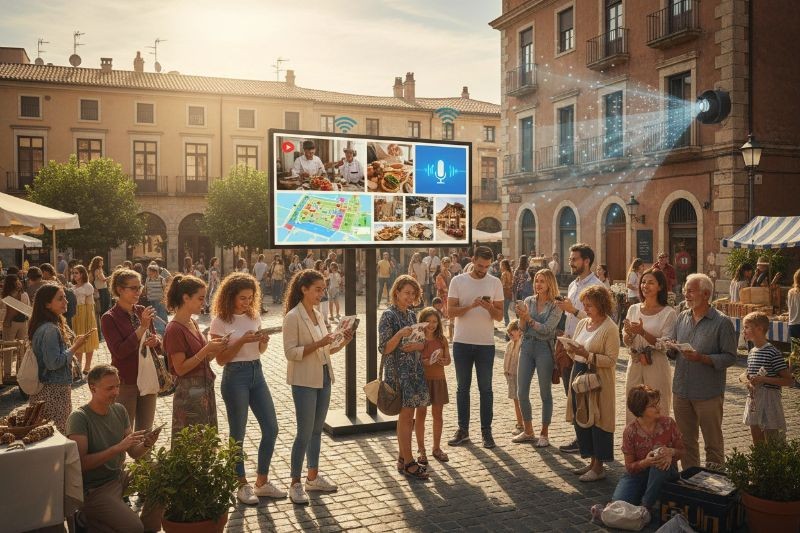
Multi-modal content distribution is the practice of sharing the same core message across multiple content formats and channels. Instead of relying on a single medium, businesses adapt their message into blogs, videos, social posts, emails, visuals, and listings. This allows them to meet customers where they already spend time.
At the local level, this approach matters even more. Customers don’t move through a straight-line funnel. They bounce between platforms, scan quickly, and form opinions based on repeated exposure.
Common Multi-Modal Content Formats
- Website landing pages
- Blog articles
- Social media posts
- Short-form and long-form videos
- Email newsletters
- Visual graphics and infographics
Each format reinforces the others, creating a network of visibility rather than a single touchpoint.
What Traditional Local Marketing Looks Like
Traditional marketing is built around interruption. It places messages in front of people while they are doing something else — driving, listening to the radio, reading print media, or walking past signage. These tactics aim to capture attention by sheer exposure.
Most traditional marketing focuses on the bottom of the funnel. The goal is immediate action: buy, call, visit, or redeem an offer. Messaging centers on product features and promotions rather than education.
Examples of Traditional Local Marketing
- Billboards
- Radio advertisements
- Newspaper and magazine ads
- Direct mail campaigns
- Television commercials
While these methods can still create awareness, they lack the flexibility, targeting, and feedback loops of modern content strategies.
Interruption vs. Intention
The biggest difference between traditional marketing and content marketing is intent. Traditional marketing interrupts. Content marketing attracts.
When someone reads a blog, watches a video, or opens an email newsletter, they are choosing to engage. That choice creates a different psychological state. The audience is receptive instead of resistant.
Why Intent Matters
- People trust information they seek out
- Education lowers skepticism
- Voluntary engagement builds goodwill
Local customers are more likely to remember and trust businesses that helped them before asking for anything in return.
Branded Messaging vs. Educational Value
Traditional advertising emphasizes branding. It tells customers what a business wants them to think. Content marketing shows customers how a business can help.
Educational content demonstrates expertise without overt selling. This approach positions a business as a guide rather than a salesperson.
How Educational Content Builds Authority
- Explains problems customers already have
- Shows how solutions work in real life
- Reduces uncertainty before contact
When customers understand the value first, conversions happen naturally.
Mass Reach vs. Personal Connection
Traditional marketing casts a wide net. It aims for maximum exposure, even if relevance is low. Content marketing takes the opposite approach — it focuses on relevance over reach.
Local businesses thrive on personal connection. Customers want to feel understood and recognized, not marketed to.
Why Content Feels More Personal
- It addresses specific questions
- It speaks to local needs
- It adapts to different stages of awareness
This intimacy builds stronger relationships over time.
One-Way Messaging vs. Two-Way Conversation
Traditional marketing is a monologue. Businesses speak, and customers listen — or ignore the message entirely. Content marketing opens the door to dialogue.
Through blogs, social media, and email, customers can comment, reply, share, and ask questions. This interaction strengthens trust.
Benefits of Two-Way Engagement
- Faster feedback loops
- Improved customer relationships
- Higher loyalty and retention
Local businesses that respond publicly appear more approachable and reliable.
Why Content Marketing Performs Better for Local Businesses
Content marketing aligns with how customers make decisions today. Before calling a business, people research. They read reviews, skim articles, and watch videos.
Content supports this research phase by answering questions early.
Advantages Over Traditional Advertising
- Lower long-term cost
- Higher trust
- Better lead quality
- Longer lifespan
Unlike ads that disappear when budgets stop, content continues working.
Content Marketing Is More Welcome Than Ads
Modern consumers are exposed to thousands of ads each day. As a result, ad fatigue is real. Many people actively avoid promotional content.
Content marketing feels different because it delivers value first.
Why Content Is Better Received
- It educates instead of interrupts
- It respects the user’s time
- It builds familiarity gradually
Local businesses benefit from being helpful rather than loud.
Content Marketing Builds Stronger Customer Relationships
Content creates ongoing touchpoints. Each blog post, email, or video is another opportunity to reinforce trust.
Instead of forcing customers to seek information, content brings answers directly to them.
Relationship Benefits
- Repeat engagement
- Increased brand recall
- Stronger loyalty
Customers are more likely to choose businesses they already recognize.
Cost Efficiency and Long-Term ROI
Traditional advertising often requires constant spending. Once a campaign ends, visibility disappears.
Content marketing compounds. One article or video can generate traffic, leads, and trust for years.
Why ROI Improves Over Time
- Content ranks in search
- It can be reused across channels
- It supports multiple campaigns
This makes content one of the most cost-effective local marketing strategies.
User Preference Has Shifted
Most consumers prefer learning about businesses through content rather than advertisements. Articles, videos, and guides feel more informative and less intrusive.
Local businesses that educate gain attention without resistance.
How Traditional and Content Marketing Can Work Together
This isn’t an either-or decision. Traditional marketing can support awareness while content marketing nurtures trust.
For example:
- A billboard builds recognition
- A blog explains services
- A video shows real results
- Reviews reinforce credibility
Together, they create a complete marketing ecosystem.
Multi-Modal Distribution Creates Compounding Visibility
Multi-modal content ensures that a message isn’t limited to one channel. A single idea can appear as:
- A blog post
- A social media update
- A short video
- An email segment
- A GBP post
Each exposure strengthens familiarity.
Scaling Multi-Modal Content Without Overhead
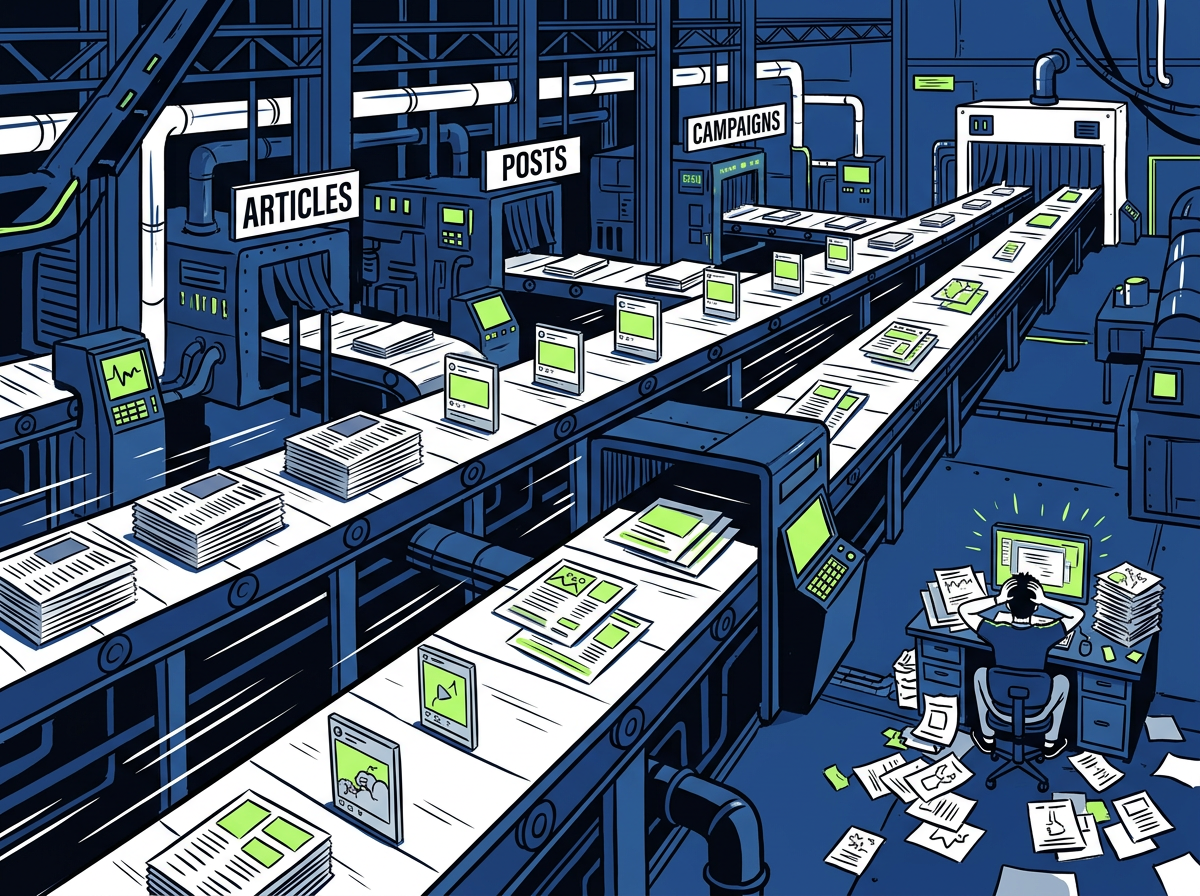
The challenge isn’t understanding multi-modal marketing — it’s executing it consistently. Creating and distributing content across platforms takes time.
Automation solves this problem.
Tools like Helm help businesses and agencies plan, distribute, and track content across channels from one system. This makes multi-modal strategies sustainable without increasing staff.
Building a Modern Local Marketing System
Modern local marketing isn’t about choosing the newest platform. It’s about building a system that keeps a business visible wherever customers look.
Content marketing provides depth. Traditional marketing provides reach. Together, they reinforce each other.
Get free resources, access to new features, tips & tricks, and special offers by joining the Helm Newsletter.
No Spam. Sent Weekly.